We are always looking for more great speakers with content to share.
One of Our 2026 Presenters
National Native Children’s Trauma Center
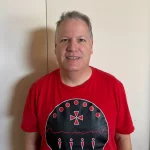
Matthew Johnson, M.A., School Administrative Leadership Endorsement (Amskapi Pikuni), was born and raised in Blackfeet Nation in Browning, Montana. For over the past 25 years, he has worked for the Browning School District in a range of capacities, including school counselor, director of alternative education, and school administrator. Mathew’s work is informed by a fusion of Indigenous-focused restorative practices, historical trauma-informed education, storytelling, humor and joy, healing, and tribal educational self-determination. Rooted in the land and community, my “work” extends well beyond my job, and I am as active in the community to engage healing historical trauma through coaching and officiating youth sports, involvement in the Tribal court system, and most recently, participating in the COVID response team.
Why Attend this conference?
Integrating authentic Native content in curriculum involves using materials and lesson plans that are developed by or in partnership with Native communities, ensuring accurate representation and inclusion of Indigenous perspectives across subjects such as ecology, history, and the arts.
Trauma-informed education practices shift the focus from judgment to empathy, prioritizing safety, trust, empowerment, and connection in the classroom to better support students who have experienced adversity or trauma.
Culturally responsive pedagogy centers on recognizing and valuing students’ diverse cultural backgrounds, connecting learning to their lived experiences, and fostering an inclusive environment that promotes engagement and respect.
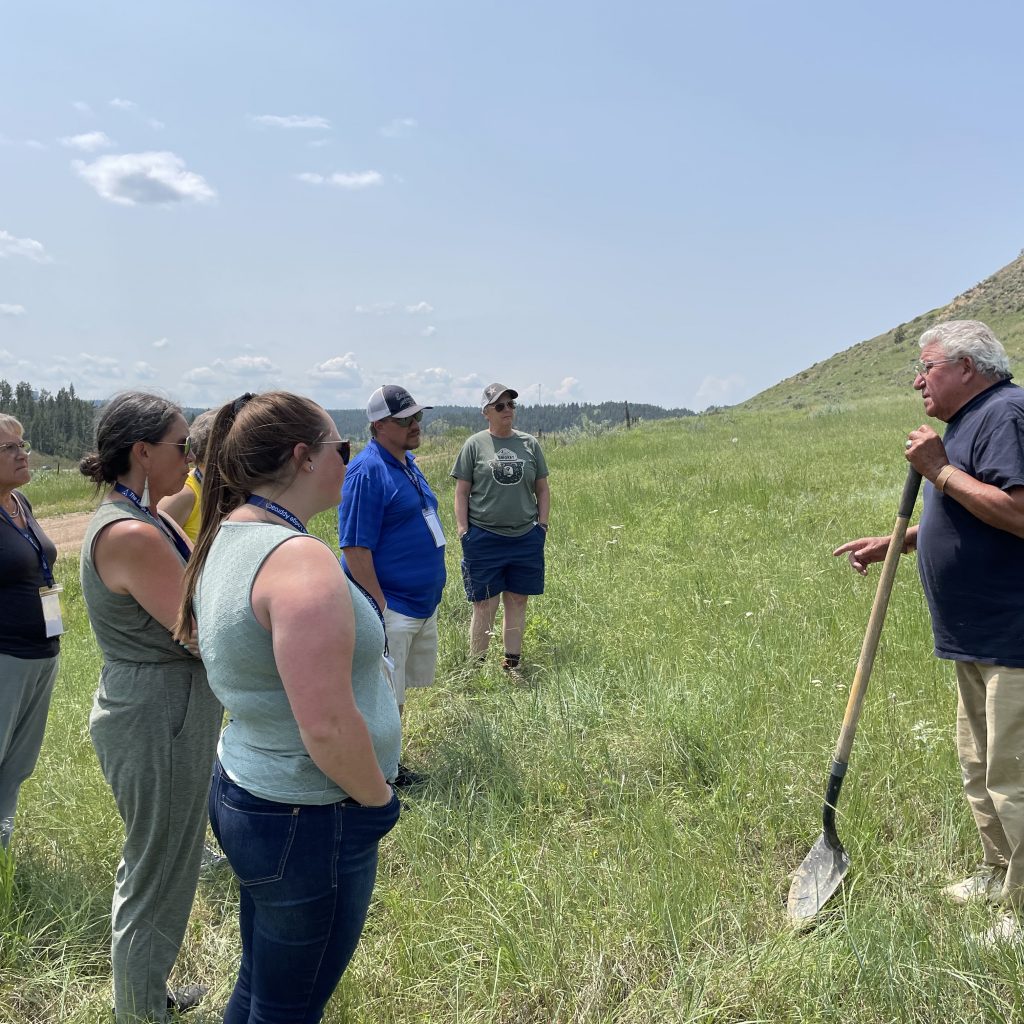
Collaboration with Indigenous knowledge keepers involves building relationships with Native community members and leaders, who share cultural traditions, values, and expertise, enriching the curriculum and helping students develop a deeper understanding of Indigenous knowledge and practices