Grade 3 - 4 Lesson Plans - Day 1
Overview
This 3-day unit for Grades 3-4 on the Northern Cheyenne vs. Hollowbreast Supreme Court ruling (1976 Montana case affirming tribal jurisdiction over reservation allotments) is designed for Montana teachers. The lessons meet Montana IEFA Essential Understandings (EU1: Homelands, EU3: Governments, EU5: Contemporary Issues) and OPI standards. No prior knowledge is needed; each day builds logically for Northern Cheyenne homelands or statewide classrooms.
Day 1: Personal Land Connections (40 min)
Objectives:
Students share how land shapes personal identity, connecting to Hollowbreast families’ fight to retain their land.
Standards:
CCSS RL.3.2 / RL.4.2; OPI IEFA EU1; MT SS 4.1.
Differentiation:
Vocabulary bank (“allotment: assigned tribal land”); draw option.
Materials (all students):
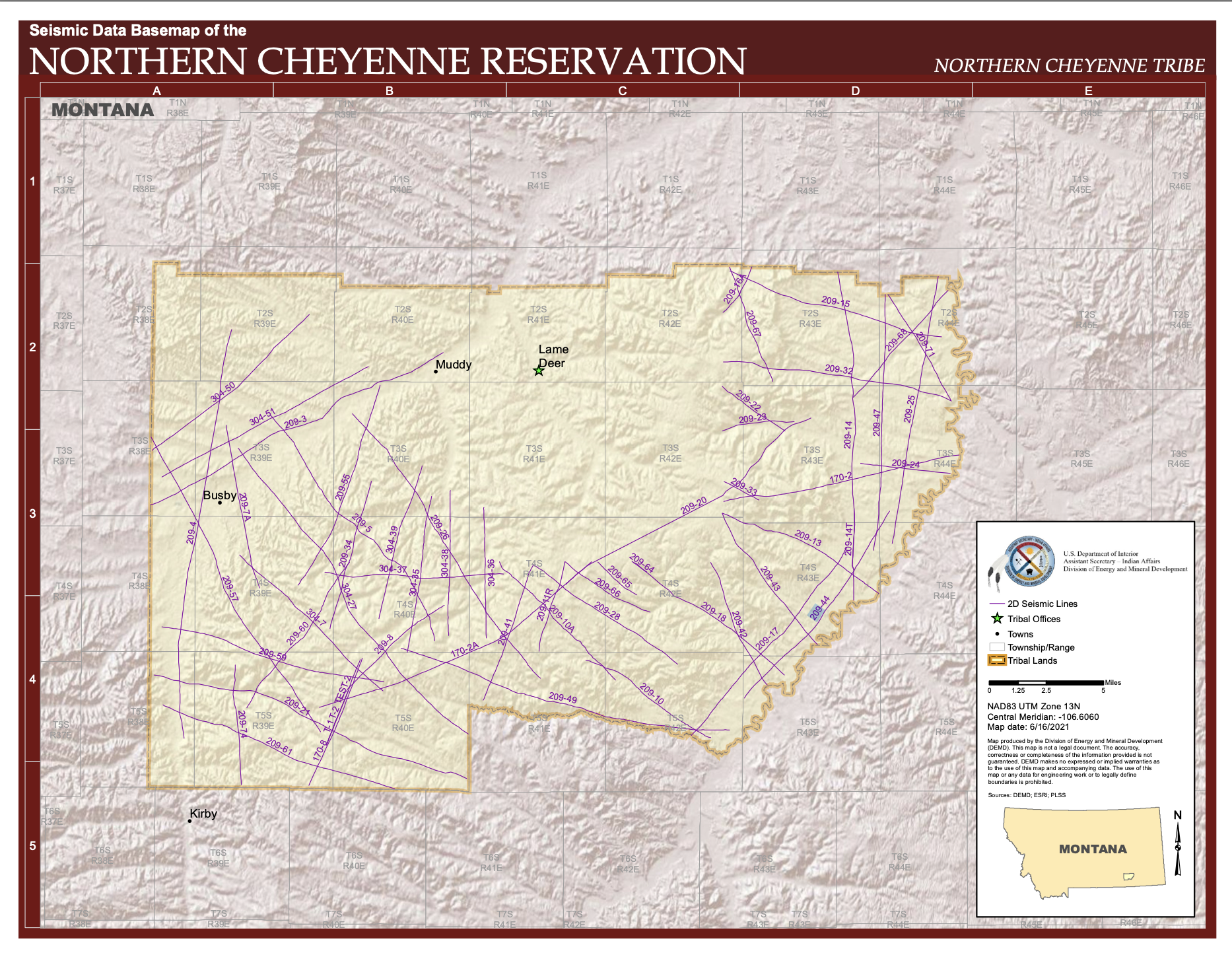
Large map of Homelands, markers, 3-minute homelands video, chart paper, sticky notes.
Introduction (8 min):
– Show a map of the homelands.
– In pairs, students identify and describe their special place: “Point to your special spot. Why is it important to you?”
– Connect: “Hollowbreast families fought to keep their allotments after they were assigned. This links their story to your personal land story.”
Main Activity (22 min):
– Students write/draw their “My Land Story” (3-5 sentences plus a picture).
– Set up a gallery walk where students view each other’s work. During or after the walk, students add positive peer comments on sticky notes.
– Play Cheyenne music (e.g., Cheyenne flute melodies) to set the cultural tone.
Closure (10 min):
“Why Land Matters”
1. Bring students together and display a chart titled “Why Land Matters – To Us and to the Hollowbreast Families.”
2. Ask a few volunteers to share one idea from their gallery walk or sticky notes about why land is special or important.
3. Record their thoughts in two columns:
• Our Personal Land Connections
• Hollowbreast Family Connections
4. Briefly highlight the link:
“We all see that land holds memories and identity—just like it did for the Hollowbreast families.”
5. Transition to reflection by saying:
“Now let’s think about how your ideas about land may have changed today.”
Metacognitive reflection questions:
Personal Land Connections – “Reflect and Relate”
Prompt: “How has your thinking about land and identity changed since we started this lesson?”
Step 1 – Quick Write (3 minutes):
Students respond using sentence starters such as:
• “Before today, I thought land was mostly about…”
• “Now I see that land can also mean…”
• “This connects to the Hollowbreast story because…”
Step 2 – Partner Share (2 minutes):
Students share their reflection with a partner, listening for how the other person’s story differs or overlaps.
Teacher prompt:
“What’s one idea your partner shared that made you think differently about land?”
– Exit Ticket: Students write on a sticky note: “One way land shapes who I am
Essential Understanding:
EU1 (Homelands) → “How do homelands shape people’s identity?”
Assessment:
Checklist for each student:
– Personal details included?
– Connection to Hollowbreast case made?
– Creative picture drawn?
– Success criterion: At least 85% of students link land to the case meaningfully.
Resources
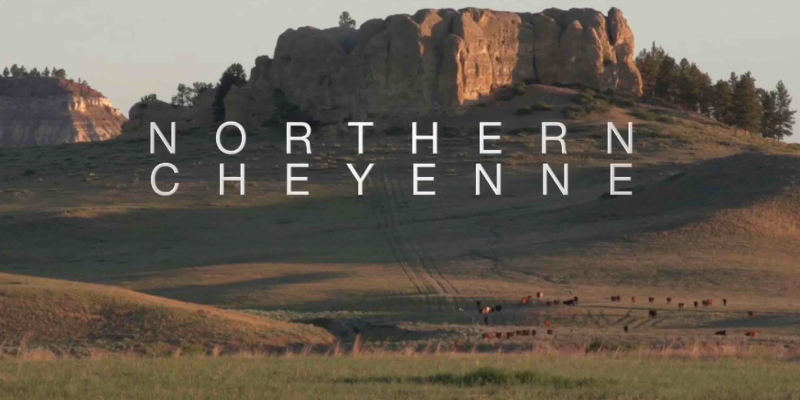
Indian Nations - Northern Cheyenne